

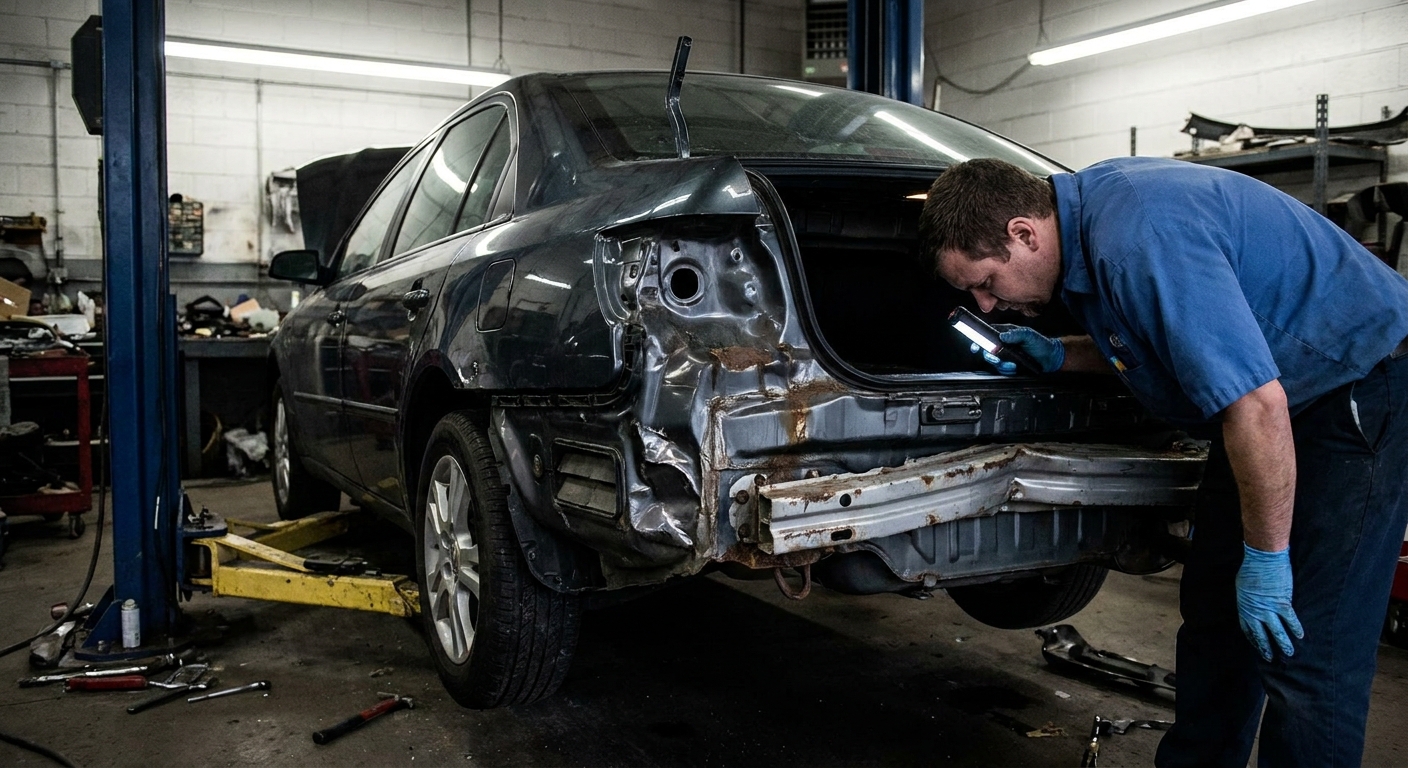
If your collision repair bill grew after you dropped the car off, you ran into a supplement, and it is usually a good sign, not a scam. A supplement is an addition to the original estimate for damage or operations that could not be seen until the car was taken apart. Here is what a supplement is, why it happens, and how it affects your repair and your wallet.
What is a collision repair supplement?
A supplement is a formal addition to the original repair estimate. The first estimate is based on visible damage; once the shop disassembles the area, it often finds hidden damage, bent brackets, cracked components, damage behind a bumper cover, that was impossible to see from the outside. The shop documents it and submits a supplement to the insurer for approval before doing that extra work.
Why do supplements happen?
- Hidden damage. Impact forces travel; the visible dent is often the smallest part of the story.
- Teardown reveals more. Removing panels exposes structural or mechanical damage.
- Parts differences. A part arrives damaged or a different (correct) part is needed.
- Required operations. Items like ADAS calibration or additional refinish work get added once the full scope is clear.
Is a supplement a bad thing?
Usually the opposite. A shop that writes supplements is documenting the full, correct repair instead of cutting corners to match a low initial estimate. The alternative, ignoring hidden damage to stay under the first number, is what leaves cars improperly repaired. A growing total typically means the repair is being done thoroughly.
Who pays for the supplement?
| Situation | Who pays |
|---|---|
| Covered claim | Insurer pays the approved supplement; your deductible does not change |
| At-fault party’s insurer | They cover the supplement as part of the claim |
| Out-of-pocket repair | You do, but you approve it before work proceeds |
On an insurance claim, your out-of-pocket cost is still your deductible, the supplement is between the shop and the insurer. The shop should not proceed with supplemental work until it is approved.
How the supplement process works
The shop documents the new damage with photos and notes, submits it to the adjuster, and waits for approval. This back-and-forth is the most common reason a repair takes longer than the first estimate suggested, parts cannot be ordered until the supplement is approved. A shop that communicates well keeps this moving and keeps you informed.
What you should do
- Expect a possible supplement on anything beyond minor cosmetic damage.
- Ask the shop to explain each supplement and show the documentation.
- Confirm supplements are approved by the insurer before that work proceeds.
- Factor the approval time into your rental and pickup expectations.
Frequently asked questions
Does a supplement increase my deductible?
No. On a covered claim your deductible stays the same; the supplement is paid by the insurer.
Why didn’t the shop see all the damage at first?
Much collision damage is hidden behind panels and only visible after teardown, which is why supplements exist.
Will the supplement delay my car?
Often a little, because parts cannot be ordered until the insurer approves it; good communication minimizes the delay.
The bottom line
A supplement is a normal, healthy part of a thorough collision repair, it means the shop found and is fixing hidden damage rather than hiding it. On a claim, it does not raise your deductible; it just needs insurer approval before the work proceeds. Choose a Los Angeles shop that documents supplements clearly and keeps you in the loop.

0 Comments