

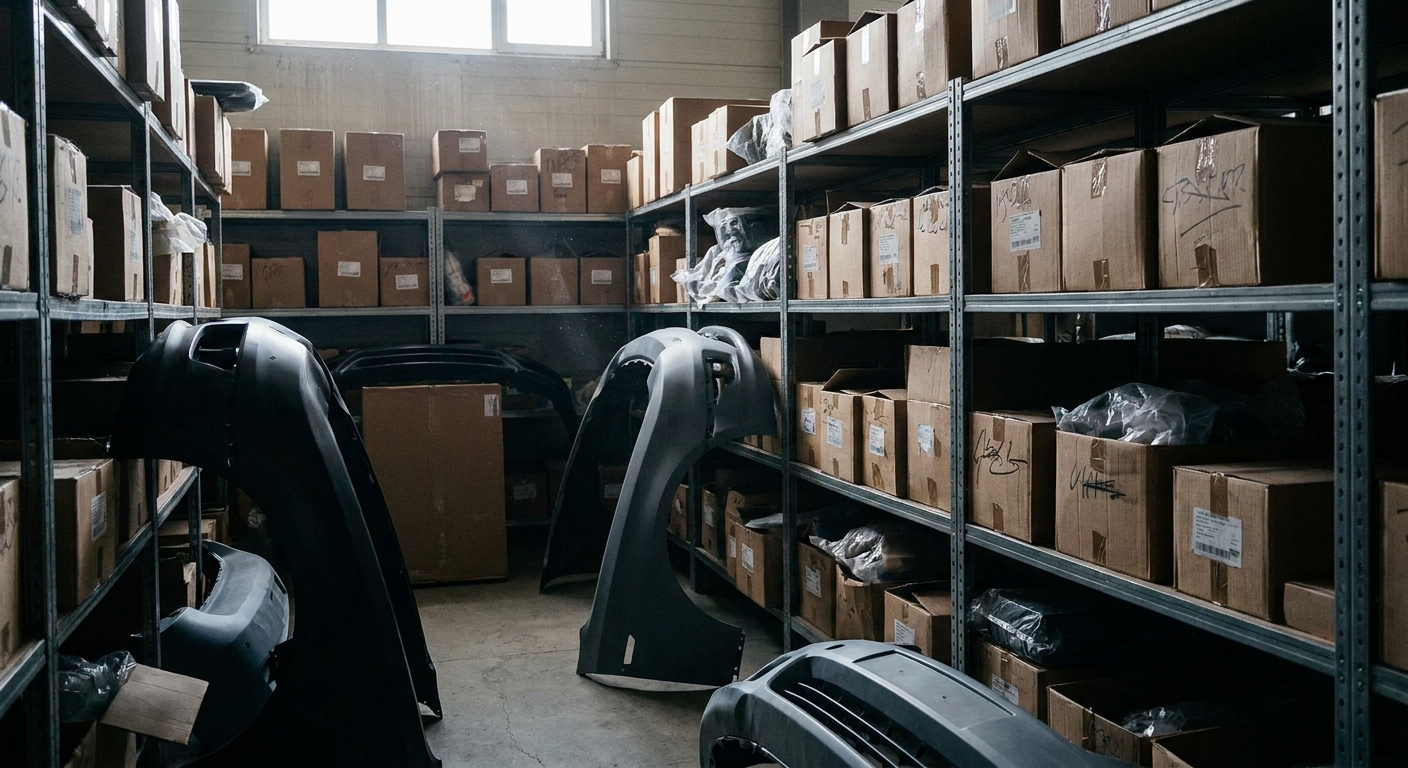
When your car is repaired, the parts used matter as much as the labor, and you generally have three choices: OEM, aftermarket, and reconditioned (recycled). Insurers often default to the cheapest option, but you have a say, and in some cases you can get original parts at little or no extra cost. Here is how OEM vs aftermarket vs reconditioned parts compare and what your insurer typically pays for.
The three types of parts
| Type | What it is | Trade-off |
|---|---|---|
| OEM | Original Equipment Manufacturer, made by the carmaker | Best fit and known quality; highest cost |
| Aftermarket | Made by third parties to fit your car | Cheaper and widely available; quality varies |
| Reconditioned / recycled (LKQ) | Used OEM parts from other vehicles, reconditioned | Original-equipment fit at lower cost; availability and condition vary |
What does insurance usually pay for?
Most insurers default to aftermarket or recycled parts to control cost, and that is often allowed under standard policies. However, you can typically request OEM parts. In some cases the policy covers OEM (especially on newer or leased vehicles or with an “OEM endorsement”); in others, you may pay the difference between aftermarket and OEM out of pocket. Always ask what your policy specifies before the parts are ordered.
When OEM parts matter most
- Safety and structural parts. Proper fit and engineered crash performance are critical.
- Parts with sensors. Bumpers and panels housing ADAS components need correct fit for calibration.
- Newer or leased vehicles. Lease terms and resale value often favor OEM.
- Complex panels. Where fit and finish are hard to match with aftermarket.
When aftermarket or recycled parts are fine
For many non-structural, cosmetic parts, quality certified aftermarket parts (look for CAPA or NSF certification) meet safety standards and can save money. Recycled OEM parts can be a great middle ground, original-equipment fit at a lower price, when they are in good condition and properly inspected. The key is certification, condition, and a shop that stands behind the result.
How to get the parts you want
- Ask the shop which part types are on the estimate (it is itemized).
- Tell your insurer if you want OEM, and ask whether your policy covers it.
- If OEM is not covered, ask the cost to upgrade and weigh it against the benefit.
- For certified aftermarket, confirm CAPA/NSF certification.
Why it affects safety and value
Parts choice influences fit, corrosion resistance, how safety systems perform, and resale value. A car repaired with quality parts that fit correctly looks and performs better and holds value; poorly fitting aftermarket parts can show up in panel gaps and failed calibrations. The goal is the right part for each location, OEM where it counts, certified alternatives where appropriate.
Frequently asked questions
Can I insist on OEM parts?
You can request them. Whether they are covered depends on your policy; otherwise you may pay the difference.
Are aftermarket parts safe?
Certified aftermarket parts (CAPA/NSF) meet safety standards; quality varies, so certification and a reputable shop matter.
What are recycled or LKQ parts?
Used original-equipment parts from other vehicles, reconditioned, offering OEM fit at a lower cost when in good condition.
The bottom line
OEM gives the best fit and known quality, certified aftermarket saves money, and recycled OEM is a middle ground. Insurers often default to the cheapest option, but you can request OEM and should for safety, sensor, and structural parts. Ask what your policy covers, review the parts on your estimate, and choose a Los Angeles shop that uses the right part for each job.

0 Comments