

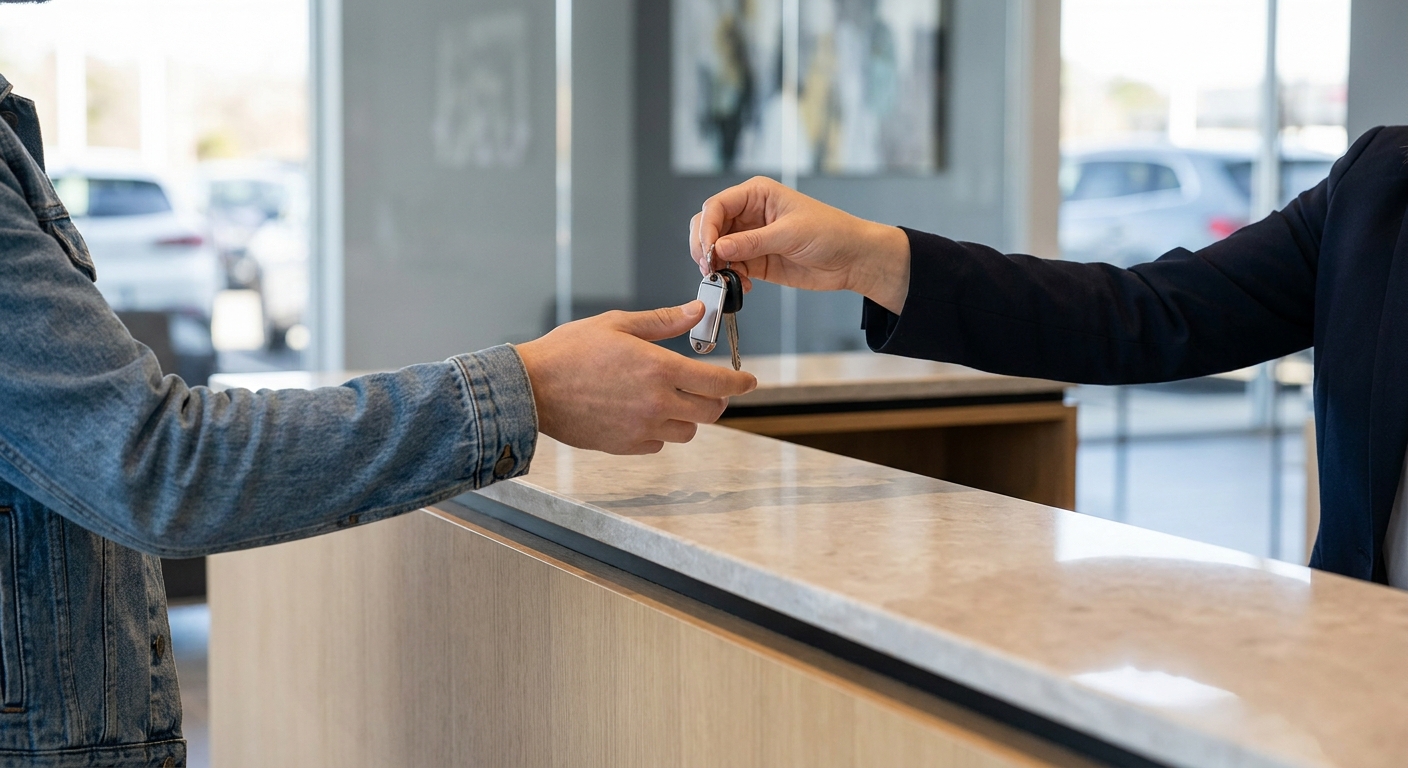
If your car is in the shop after a collision, whether you get a rental, and who pays for it, depends on your coverage and who was at fault. In California, a rental during repairs comes from either your own rental reimbursement coverage or the at-fault driver’s liability, through “loss of use.” Here is how to get a rental covered and avoid paying out of pocket.
Who pays for a rental while my car is repaired?
There are two main paths. If the other driver was at fault, their insurer generally owes you “loss of use,” the cost of a comparable rental (or the equivalent) while your car is properly repaired. If you were at fault or fault is unclear, a rental is covered only if you carry rental reimbursement on your own policy. Without that coverage and without an at-fault party, the rental is your expense.
Rental reimbursement vs. loss of use
| Source | When it applies | Notes |
|---|---|---|
| Your rental reimbursement | Optional coverage on your policy | Has a daily cap and total limit (e.g., per-day and per-claim) |
| At-fault driver’s liability (loss of use) | Other driver caused the crash | Should cover a comparable rental for the repair period |
How long is the rental covered?
Coverage generally lasts for the reasonable time needed to repair the car, or until the insurer settles a total loss. Your own rental reimbursement has caps (a daily dollar limit and a maximum number of days or total amount), so a long repair can exceed them. Loss-of-use from an at-fault insurer should track the actual repair time, but insurers may push back on delays, which is one reason a shop that documents the timeline helps.
How to get the rental handled smoothly
- Tell your insurer or the at-fault insurer up front that you will need a rental.
- Check your own policy for rental reimbursement and its daily/total limits.
- Keep the rental class reasonable, comparable to your car, not an upgrade.
- Have the shop document repair time so the rental period is justified.
- Save receipts if you pay first and seek reimbursement.
What if the repair takes longer than expected?
Supplements and back-ordered parts can extend the repair beyond your rental cap. If you are using your own rental reimbursement, you may hit the limit and owe the difference. If the other party is at fault, their loss-of-use obligation generally continues for the legitimate repair time, so documentation of why the repair took longer (hidden damage, parts) matters. A shop that communicates with the adjuster reduces gaps.
Total loss and the rental
If the car is declared a total loss, rental coverage usually ends a few days after the insurer makes the offer, not when you finish car shopping. Plan for that cutoff so you are not surprised when the rental stops being covered.
Frequently asked questions
Does insurance always pay for a rental during repairs?
No. You need rental reimbursement on your policy, or the at-fault driver’s insurer paying loss of use. Otherwise it is out of pocket.
How much rental does insurance cover?
Your own coverage has daily and total caps; an at-fault insurer should cover a comparable rental for the reasonable repair period.
Can I get a rental like my own car?
Generally a comparable class, not an upgrade. Loss-of-use aims to replace, not improve, your transportation.
The bottom line
A rental during collision repairs is covered by your own rental reimbursement or the at-fault driver’s loss-of-use, each with its own limits and timeline. Confirm coverage early, keep the rental comparable, and have your Los Angeles shop document the repair timeline so the rental period is justified, that is how you avoid paying out of pocket.
0 Comments