

What Is the Real Difference Between Car Wrap vs Paint in Los Angeles?
If you want a color change or custom finish, you have two permanent-ish options: a vinyl wrap applied over your existing paint, or a professional respray inside a climate-controlled paint booth. In Los Angeles, the choice matters more than it does almost anywhere else in the country, because LA’s UV load destroys vinyl faster than the national averages that most wrap guides use.
The car wrap vs paint Los Angeles debate looks different from a body shop’s perspective than from a wrap installer’s. We fix what goes wrong with both. Here is what the numbers and real-world results actually show.
How Does LA’s Sun Affect Wrap Lifespan vs Paint?
Los Angeles averages over 280 sunny days per year, and ground-level UV in the San Fernando Valley and Central LA ranks among the highest in the continental United States. That matters because vinyl is a polymer, UV and heat break down its plasticizers, causing fading, edge-lifting, and cracking from the outside in.
3M’s own warranty data makes the difference concrete: the 3M Wrap Film Series 2080 carries up to 8 years of warranty coverage on vertical panels (doors, quarter panels) but only up to 3 years on horizontal panels, hood, roof, and trunk. Southern California’s desert-adjacent zones trigger additional warranty reductions beyond those baseline figures. In practice, most LA cars parked outdoors see hood and roof wrap failure in the 2.5–4 year range, while doors may hold 5–6 years with careful maintenance.
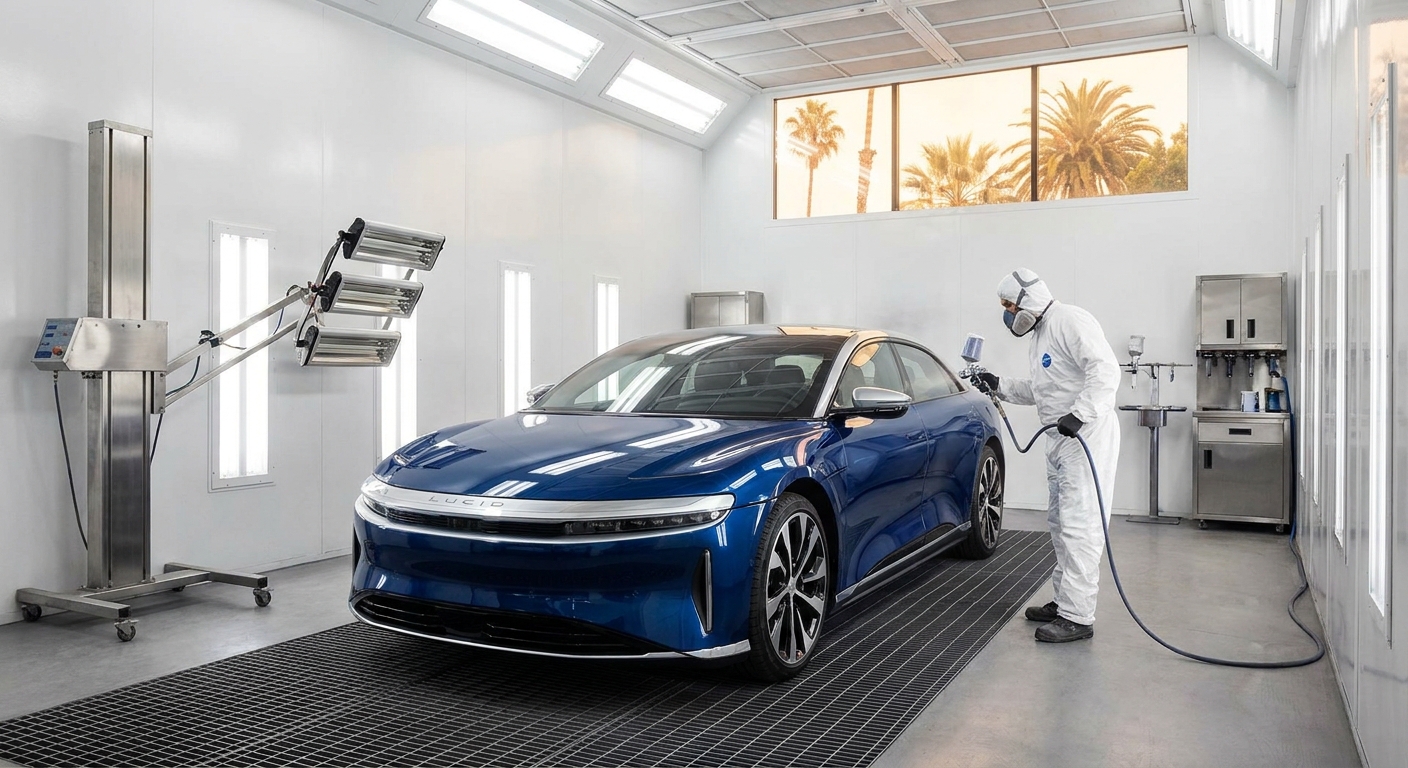
A properly applied multi-stage automotive paint job, urethane basecoat, clearcoat, baked in a down-draft booth, is a hard film that does not degrade the same way. With basic care (regular washing, occasional polish), a quality respray lasts 10–15 years in LA sun. The clearcoat can eventually oxidize, but that is a gradual, serviceable process, not a sudden film failure. If you want to understand what clearcoat degradation looks like before it becomes a full respray problem, our guide to sun-damaged and peeling clear coat repair in Los Angeles walks through the stages and repair options.
Wrap vs Paint Cost Comparison: Los Angeles 2026
Below is an honest side-by-side at current LA-market rates. Wrap prices are higher here than national averages, labor rates and demand push California prices $300–$800 above the rest of the country.
| Option | Upfront Cost (LA) | Expected Lifespan (LA Outdoor Parking) | 10-Year Total Cost* |
|---|---|---|---|
| Full vinyl wrap (cast film, premium brand) | $3,000–$6,000 | 3–5 yrs (hood/roof); 5–6 yrs (doors) | $6,000–$18,000 (2–3 rewraps + removal) |
| Custom respray, single solid color | $3,200–$10,000 | 10–15 yrs | $3,200–$10,000 |
| Premium custom paint (multi-stage, pearl, candy) | $10,000–$25,000+ | 10–15 yrs | $10,000–$25,000+ |
| Budget wrap (calendered film) | $1,500–$2,500 | 1–2 yrs in LA | $7,500–$12,500+ (multiple rewraps) |
*10-year total includes removal ($500–$1,500 per removal cycle) and reinstallation. Paint assumes no accident damage.
The wrap looks cheaper upfront. Over a decade of LA sun exposure, a single quality respray almost always costs less than two or three wrap cycles, and you never pay for adhesive removal that risks the clearcoat.
Does Insurance Cover a Car Wrap After an Accident in California?
This is the gap almost every wrap-shop article skips. Standard California collision and comprehensive policies cover repainting a damaged panel to restore the vehicle to its pre-loss condition. A vinyl wrap is generally classified as a custom aftermarket modification. Most CA policies do not cover rewrapping after an accident unless you carry a separate Custom Parts and Equipment (CPE) rider, and even then, coverage caps vary by insurer.
The practical result: if your wrapped car gets rear-ended, your insurer pays to repaint the bumper in the factory color. You then pay out of pocket to re-wrap that panel to match the rest of the car, or you accept a mismatched finish. If the whole side is damaged, the mismatch problem compounds quickly. A factory-match respray is covered, blended, and done.
If you are dealing with a collision right now and need to understand what your estimate covers, our breakdown of how to read a collision repair estimate line by line explains what insurers pay for and what they don’t.
Which Option Is Better for Resale Value?
Wraps are often marketed as resale-value protectors because they keep OEM paint pristine underneath. That is true, when the wrap is removed cleanly within its warranty window. The risk is leaving a wrap on too long in LA heat. Adhesive bonds aggressively to warm clearcoat over time, and removal after the warranty period can lift or damage the underlying paint, which then shows up on any pre-sale inspection.
A quality factory-color respray, properly documented, does not hurt resale value and can improve it if the original paint was oxidized or faded. A non-factory color wrap or an aged wrap with lifting edges actively deters buyers. For enthusiast and luxury vehicles, a concours-quality respray in the correct color is almost always the better financial move at sale time.
Wrap vs Paint: Head-to-Head Decision Table
| Factor | Vinyl Wrap | Professional Respray | Edge Goes To |
|---|---|---|---|
| Upfront cost | Lower | Higher | Wrap |
| 10-year total cost in LA | Higher (multiple cycles) | Lower (one job) | Paint |
| Durability in LA UV | 3–6 yrs (panel-dependent) | 10–15 yrs | Paint |
| Reversibility / color change | Yes, within warranty window | Permanent | Wrap |
| CA insurance coverage after collision | Usually not (needs CPE rider) | Yes, standard collision coverage | Paint |
| Finish options | Wider (chrome, color-shift, matte) | Wide (candy, pearl, custom) | Tie |
| Works over damage (dents, rust) | No, defects telegraph through film | Yes, body work done first | Paint |
| Resale risk if aged or wrong color | High | Low (factory color match) | Paint |
Can a Wrap Cover Dents, Scratches, or Peeling Clearcoat?
No, and this is where body shops see the most expensive mistakes. Vinyl film is 2–4 mils thick. Any dent, scratch, or surface irregularity telegraphs through the film and is visible in raking light. Peeling clearcoat will cause the wrap to bubble and lift at those edges within months. Rust underneath an unrepaired panel will continue to spread regardless of what is on the surface.
Before either a wrap or a respray, a body shop must address all underlying damage: dent repair, clearcoat restoration, rust treatment, and priming. The difference is that a respray hides the repaired surface completely, the paint bonds directly to the primer. A wrap applied over repaired but not perfectly smooth bodywork will still show the repair outline. If your car has collision damage that needs fixing first, see our guide to paintless dent repair vs conventional repair to understand which method gets the surface wrap- or paint-ready.
Common Mistakes to Avoid
- Choosing a wrap to save money without running the 10-year math. In LA’s climate, two wrap cycles plus two removal jobs often exceed the cost of one quality respray.
- Wrapping over damaged paint or unfixed dents. Imperfections telegraph through the film. The body work cannot be skipped.
- Leaving a wrap on past its LA-climate lifespan. Heat bonds the adhesive aggressively to clearcoat. Delayed removal risks damaging the very paint the wrap was meant to protect.
- Assuming insurance will cover rewrapping after a collision. Standard CA policies cover factory-color repaints, not aftermarket vinyl. Verify your CPE rider before committing to a wrap.
- Choosing a dark wrap color for a car parked outdoors in LA. Dark films absorb significantly more heat, accelerating adhesive degradation and fading on horizontal surfaces.
- Using a budget calendered film instead of cast vinyl in Southern California. Calendered film has almost no realistic lifespan on LA hoods and roofs, budget quotes reflect this by using cheaper material.
Frequently Asked Questions
How long does a car wrap last in Los Angeles?
On vertical panels (doors, quarter panels), a premium cast vinyl wrap from 3M or Avery can last 5–6 years with proper care and garage storage. On horizontal panels (hood, roof, trunk), expect 3–4 years before fading and edge-lifting appear, and 3M’s own warranty for horizontal exposure is capped at 3 years even under ideal conditions. Budget calendered film on a car parked outdoors in LA sun may fail in 12–18 months.
Is it better to wrap or paint a car in California?
For long-term ownership (5+ years), a professional respray is almost always the smarter financial and practical decision in California. Paint lasts two to three times longer than vinyl under CA UV exposure, costs less over a 10-year window when you account for rewraps and removals, and is fully covered by standard CA collision insurance. Wraps make sense for leased vehicles, short-term color changes, or specific finishes (chrome, color-shift) that paint cannot replicate economically.
Does vinyl wrap fade in LA sun?
Yes, noticeably. LA’s UV index and heat accelerate the breakdown of vinyl plasticizers. Horizontal panels typically show visible fading and micro-cracking within 3 years on a car parked outdoors. Dark colors fade faster because they absorb more radiant heat. Partial wraps (just the hood or roof) create uneven fading across the car as the exposed paint continues to age at a different rate than the wrapped panels.
What does a custom respray cost in Los Angeles?
A single-color custom respray at a quality LA body shop runs approximately $3,200–$10,000 depending on vehicle size, prep work required, and paint system used. Multi-stage finishes (pearl, candy, metallic) range from $10,000 to $25,000+. These prices include surface preparation, priming, color coats, clearcoat, and color-matching to adjacent panels. To understand how color matching works in a professional spray booth, see our guide on why paint color matching and blending matter in auto body repair.
Does insurance cover a car wrap after an accident in California?
Standard California collision policies cover repainting damaged panels to the vehicle’s factory color. A vinyl wrap is typically treated as a custom modification and is not covered unless you carry a Custom Parts and Equipment (CPE) endorsement, and even CPE coverage has caps. After a collision, your insurer will authorize a factory-match repaint on the damaged area; matching a whole-car wrap is your expense. Confirm your CPE coverage with your agent before choosing a wrap.
0 Comments